Introduction
Undergoing surgery, be it for a joint replacement, an ACL repair or a rotator cuff procedure, is often a significant life event.
For Gold Coast residents who cherish an active lifestyle, the goal is always to return to beloved activities, from morning beach walks at Burleigh Heads to weekend golf at local courses, as soon as possible.
The secret to optimising your recovery journey lies in comprehensive pre- and post-operative physiotherapy.
In this in-depth guide, we'll explore how physiotherapy before and after surgery can:
- Improve surgical outcomes
- Accelerate healing
- Reduce pain and complications
- Restore function and confidence
Why Pre- & Post-Operative Physiotherapy Matters
Surgery is rarely an isolated event. It often follows weeks, months, or even years of discomfort or limited mobility.
Addressing underlying issues before the procedure and supporting the body's natural healing process afterwards can dramatically improve your overall experience and long-term results.
1. Optimising Surgical Outcomes
Pre-operative (Prehab): Engaging in a targeted exercise program and addressing muscle imbalances before surgery can help ensure your body is as strong, flexible, and stable as possible. This may reduce the length of your hospital stay, speed up your return home, and minimise post-operative complications like stiffness or weakness.
Post-operative (Rehab): After surgery, structured physiotherapy focuses on safely regaining range of motion, rebuilding strength, and gradually restoring normal movement patterns. This reduces the risk of re-injury or chronic pain and helps you return to your daily activities and sports more smoothly.
2. Enhancing Healing & Reducing Pain
Physiotherapy can reduce swelling, promote blood flow, and prevent scar tissue from limiting mobility. Skilled manual therapy, gentle exercises, and modalities like heat, cold, or TENS (Transcutaneous Electrical Nerve Stimulation) can alleviate discomfort and encourage a more efficient healing response.
3. Addressing the Psychological Aspect
An often-overlooked element of surgery recovery is the psychological impact. Physiotherapists provide education, reassurance, and structured progress milestones. Knowing what to expect and understanding that healing takes time reduces anxiety, improves adherence to exercises, and builds confidence in your body's ability to recover.
Common Surgeries & How Physiotherapy Helps
1. Hip & Knee Replacements
Before Surgery: Strengthening the surrounding muscles (quads, glutes, hamstrings) and improving joint mobility can ease the transition to a new joint surface. Prehab exercises might include bridges, gentle stationary cycling, or leg raises.
After Surgery: Physiotherapy focuses on restoring full range of motion, gradually increasing weight-bearing, and refining gait patterns. Tailored exercises help you progress from basic standing drills to more dynamic movements, like climbing stairs or walking along Gold Coast beaches with minimal discomfort.
2. ACL Reconstructions & Meniscus Repairs
Before Surgery: Targeted prehab involves strengthening the hamstrings, quads, and glutes, as well as improving balance. Enhanced neuromuscular control helps stabilise the knee, setting the stage for a smoother post-op journey.
After Surgery: Your physiotherapist guides you through progressive phases, from controlling swelling and achieving a safe knee bend, to reintroducing low-impact activities like stationary cycling, and eventually returning to running, netball, or surfing, depending on your goals and surgeon's advice.
3. Shoulder Surgeries (Rotator Cuff Repairs, Stabilisations)
Before Surgery: Prehab may include scapular stabilisation drills, gentle rotator cuff strengthening, and posture correction. Entering surgery with better shoulder mechanics can reduce the risk of post-op stiffness and pain.
After Surgery: Gradual restoration of passive range of motion, followed by active exercises, helps rebuild shoulder stability and strength. Over time, QPG's physiotherapists may incorporate sport-specific drills for athletes looking to return to swimming laps or hitting tennis serves comfortably.
The Pre-Operative (Prehab) Phase
Assessment & Goal Setting
Before surgery, your physiotherapist conducts a thorough evaluation of your current abilities. This includes measuring range of motion in affected joints, testing muscle strength to identify imbalances, and analysing posture or gait patterns that may need refinement.
During this stage, you'll openly discuss your lifestyle and goals. For example, if you're scheduled for an ACL reconstruction but love playing social netball, your goals might involve maintaining enough strength and balance so that after surgery, you can return to the court with minimal downtime.
Your physiotherapist will help you set incremental milestones, such as achieving a stable single-leg balance for 30 seconds or improving hip flexibility by a certain degree, so you know exactly what you're working towards pre-surgery.
Targeted Exercises
Prehab isn't about pushing you to your limit; it's about building a strong foundation. Expect low-impact, joint-friendly activities that improve cardiovascular health and muscular endurance without aggravating pain:
- Stationary Cycling: Boosts circulation, gently conditions your muscles, and warms the joint without jarring impact.
- Resistance Band Work: Develops strength in key muscle groups that will later support the surgical site.
- Mobility & Stretching Drills: Keeps joints limber and reduces stiffness, potentially shortening your recovery time afterward.
Patient Education
Knowledge is a powerful tool in reducing anxiety. Your physiotherapist will:
- Explain the Surgical Process: Understand the basic steps of your procedure to alleviate uncertainty.
- Demonstrate Assistive Devices: Learn how to use crutches, walkers, or braces safely before surgery, so you'll be more confident using these aids after.
- Offer Coping Strategies: Receive tips on managing early discomfort, proper icing techniques, gentle elevation of the limb to reduce swelling, and how to establish a comfortable rest schedule at home.
The Post-Operative Rehabilitation Phase
Initial Recovery & Pain Management
In the days or first weeks after surgery, your physiotherapist will:
- Implement Gentle Movements: Simple range-of-motion exercises prevent the joint from stiffening and promote circulation to the healing tissues.
- Introduce Basic Bed or Chair Exercises: Small ankle pumps, leg slides, or gentle arm movements keep blood flowing, reduce clot risks, and maintain a baseline of muscle activation.
- Use Pain-Reduction Techniques: Guidance on proper icing intervals, gentle compression wraps, and relaxed breathing techniques can help regulate discomfort.
Gradual Progression of Exercises
As your incision heals and your body adapts, exercises will steadily become more dynamic:
- After a hip replacement, start with assisted leg raises or seated knee extensions, then move to standing hip abductions. Once stable, incorporate short, flat walks and eventually mild inclines.
- Post shoulder surgery, begin with passive arm lifts guided by your physiotherapist, advance to active exercises, and eventually add light resistance bands to restore full function for daily tasks.
Reintegration into Sports & Activities
For those eager to return to sport or active hobbies, physiotherapy bridges the gap between basic functional ability and peak performance:
- Customised Sport-Specific Drills: A surfer may practise controlled balance drills on a wobble board; a golfer might work on rotational core exercises to safely reintroduce the swinging motion.
- Gradual Reintroduction: Start with modified versions of your sport: shorter surf sessions, half swings at the driving range, or light jogging before running longer distances, ensuring a safe, confident comeback.
Tools, Techniques & Modalities to Enhance Recovery
1. Manual Therapy
- Joint Mobilisations: Small, controlled movements applied to the joint improve its glide and reduce stiffness.
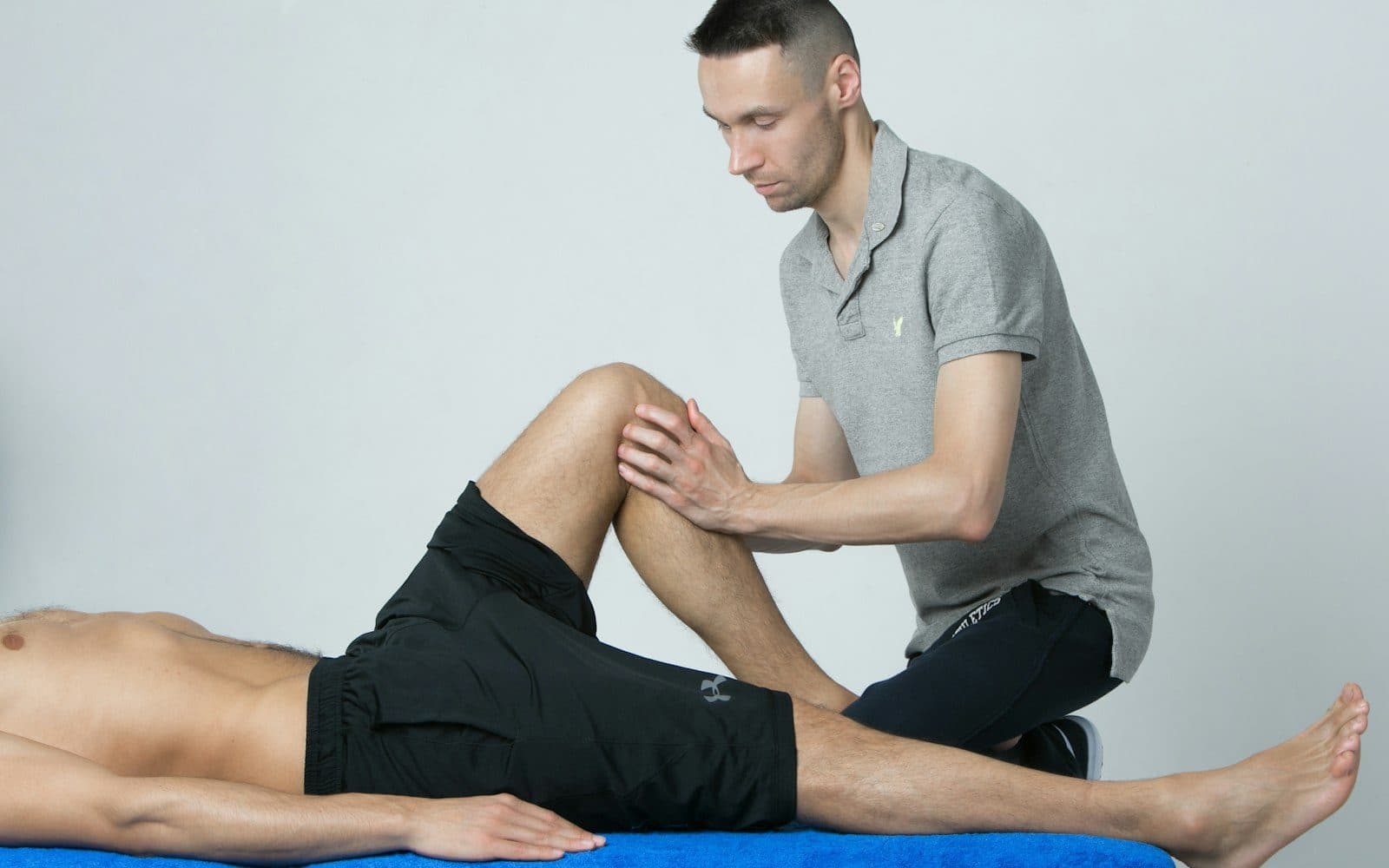
- Myofascial Release & Soft Tissue Massage: Relieves tension in surrounding muscles and connective tissues, preventing painful adhesions and promoting fluid movement.
2. Hydrotherapy
Warm water reduces gravity's load, making movements easier and more comfortable. If weight-bearing is challenging after lower limb surgery, walking in waist-deep water supports your body, allowing for gait retraining with less discomfort.
3. Neuromuscular Re-Education
Following surgery, nerves and muscles must "remember" how to coordinate efficiently:
- Balance exercises on foam pads to rebuild ankle stability after knee surgery.
- Proprioceptive drills, like catching a light ball while standing on one leg, to restore natural reflexes and reduce the risk of future falls or re-injury.
4. Taping, Bracing & Assistive Devices
- Kinesiology Tape: May relieve swelling and guide proper joint movement.
- Braces or Splints: Offer structural support while tissues heal.
- Gradual Weaning: Over time, as strength and control improve, you'll rely less on these aids.
What an ACL Pathway Looks Like Here
A reconstruction is one of the longer roads in this article, so it is worth setting out what the stages actually involve.
Before surgery, the work is quiet and specific: settling swelling, restoring what range the knee will give you, and building quadriceps and hamstring strength, because the leg you go into theatre with shapes how the first months afterwards go.
Afterwards it is staged. Early sessions protect the graft while restoring range and reawakening the quadriceps. The middle phase rebuilds strength and single-leg control. The later phase reintroduces running, then change of direction, then the demands of your actual sport, with objective strength and hop testing rather than a date on a calendar deciding when each stage opens.
Throughout, your physiotherapist works to your surgeon's protocol, since surgical technique and graft choice change the timeline.
Frequently Asked Questions
Q: How soon after surgery should I start physiotherapy?
Your physiotherapist can provide a timeline customised to your procedure and surgeon's advice. While some cases begin gentle exercises within a day or two, others wait until staples are removed or initial swelling subsides. Starting early with mild movements and proper guidance prevents stiffening and sets a strong foundation for later gains.
Q: Do I need a referral to see a physiotherapist before or after surgery?
Most Gold Coast clients can self-refer. Your physiotherapist may collaborate with your surgeon, GP, or specialist to ensure everyone's on the same page.
Q: Will physiotherapy speed up my recovery?
Physiotherapy aligns with natural healing, ensuring each stage is optimised. It helps avoid common pitfalls like doing too much too soon or not enough at critical phases. As a result, many clients find they return to activities faster and with greater comfort than if they had tried to self-manage.
Q: Can I continue some level of activity during rehab?
Absolutely. Your physiotherapist will guide you toward low-impact cross-training or home exercises that keep you physically and mentally engaged.
Q: How long will I need physiotherapy post-surgery?
There's no "one-size-fits-all" answer. Your physiotherapist regularly re-evaluates your progress, adjusting exercises as you improve. Shorter recovery timelines might be a few weeks; more complex surgeries or athletic return-to-sport goals might need months. Every step is personalised to ensure you achieve your desired level of function and independence.
Pre- & Post-Operative Support at QPG
At Queensland Physio Group, we recognise that surgery is a pivotal moment in your health journey. Our experienced physiotherapists tailor pre- and post-operative plans to your unique needs, ensuring you navigate the surgical process with confidence and clarity.
Whether you're preparing for a knee replacement, recovering from shoulder surgery, or looking to regain strength after an ACL repair, QPG stands beside you every step of the way.
*Invest in pre- and post-operative physiotherapy, and discover how professional guidance, targeted exercises, and compassionate support help you reclaim an active, fulfilling lifestyle in the beautiful Gold Coast environment, both now and in the years to come.*