The Gold Coast's sunny climate and diverse landscapes invite residents to stay active year-round through beach walks, coastal cycling, and golf. However, persistent hip pain can interrupt these enjoyable activities. This guide explores common hip conditions, their causes, and how physiotherapy can help through assessment methods, individualized exercise plans, and manual therapy techniques to restore mobility and pain management.
Common Hip Conditions Affecting Gold Coast Residents
Hip pain requires individualized approaches depending on the underlying condition.
Bursitis involves inflammation of fluid-filled sacs cushioning joints. The trochanteric bursa becomes irritated through overuse, poor biomechanics, or repetitive strain from activities like long-distance walking or extended standing. Symptoms include sharp outer hip pain, tenderness when pressing the area, and discomfort during stairs or rising from chairs.
Labral tears occur when the cartilage ring securing the femoral head within the hip socket becomes damaged through trauma, sudden twisting, or degenerative changes. Sports involving pivoting, such as tennis, golf swings and surfing, increase tear risk. Symptoms include deep groin pain, catching or locking sensations, and reduced range of motion.
Osteoarthritis is degenerative joint disease where protective cartilage wears down over time. Age-related changes, previous injuries, and high-impact activities contribute, though younger individuals may experience it after injuries or with congenital abnormalities. Symptoms include stiffness after rest, gradually reduced mobility, and aching pain radiating to the groin, thigh, or knee.
Assessing Hip Pain: Your First Step to Relief
Thorough assessment pinpoints root causes before treatment planning.
Comprehensive History & Lifestyle Review examines daily activities, exercise habits, work environment, and previous injuries to tailor specific plans based on individual circumstances.
Physical Examination & Movement Analysis observes gait, posture, and movement ranges. Special tests like FADIR (Flexion, Adduction, Internal Rotation) identify sources of discomfort.
Strength & Flexibility Tests measure muscle strength, balance, and flexibility around the hip joint, revealing muscular imbalances, tightness, weak gluteal muscles, tight hip flexors, or restricted rotators.
Imaging & Referrals if Necessary may involve X-rays or MRIs if significant structural changes are suspected, with collaboration among GPs, orthopaedic surgeons, or sports medicine doctors.
Personalised Exercise Plans: Hip Mobility & Strengthening
Individualized exercise programmes target specific muscle groups and movement patterns to restore mobility, reduce pain, and prevent future issues.
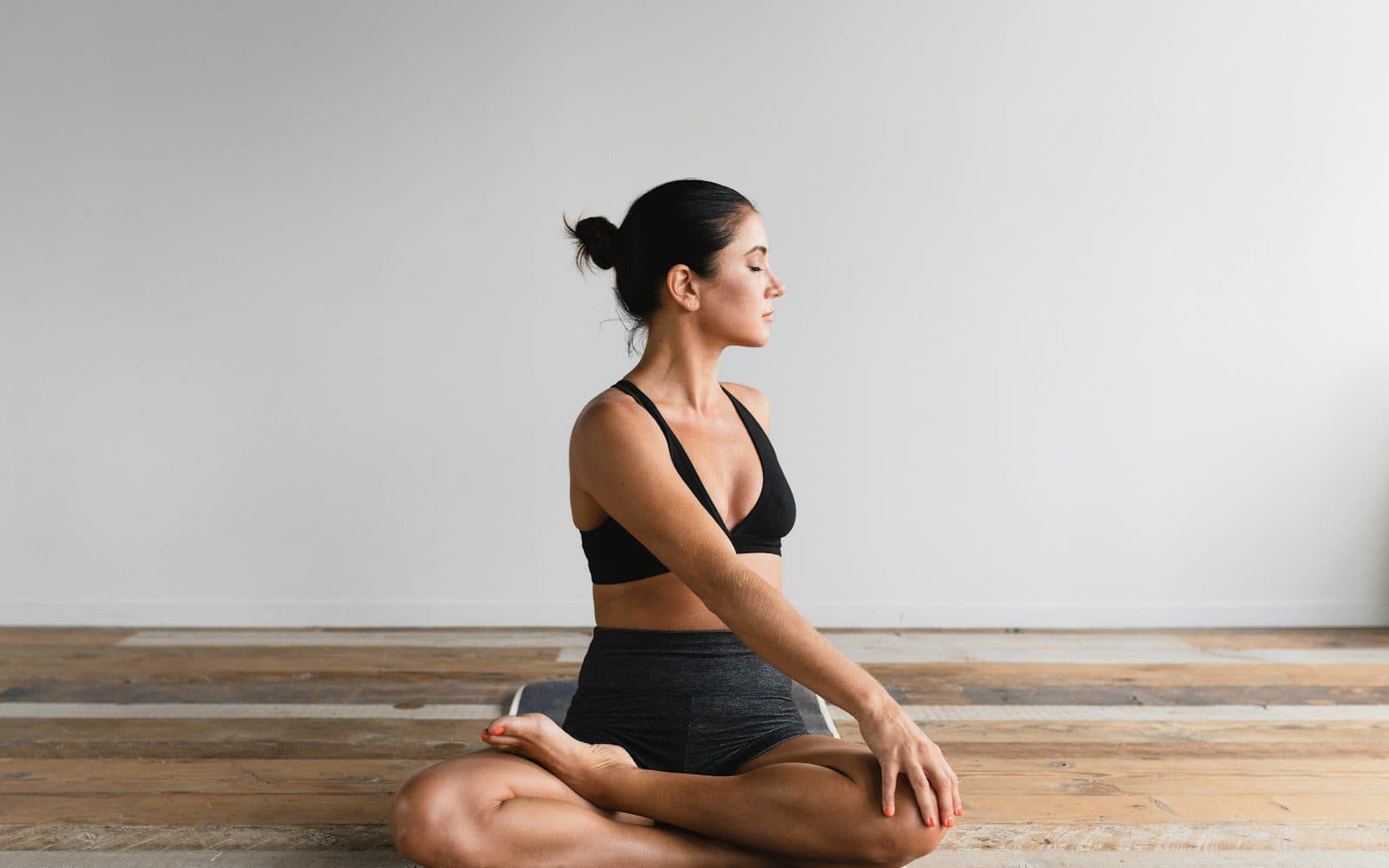
Targeted Hip Mobility Exercises include kneeling hip flexor stretches for those who spend extended time seated and gluteal stretches like the Figure-Four stretch. "Improved flexibility here supports better hip joint mechanics," enabling comfortable coastal walks and biking.
Strengthening the Hip & Surrounding Muscles includes bridges that stabilize the pelvis by engaging glutes and hamstrings, and clamshells that activate the gluteus medius, which is critical for hip stability during running or golf swings. "Stronger hip stabilisers reduce uneven wear on the joint" for more comfortable stair climbing and navigating uneven surfaces.
Progressive Overload & Exercise Progression adjusts exercises over time, starting with basic mobility drills and advancing to resistance bands, free weights, and challenging stability drills as strength improves.
Manual Therapy & Advanced Techniques
Manual therapy and advanced interventions accelerate progress alongside exercises.
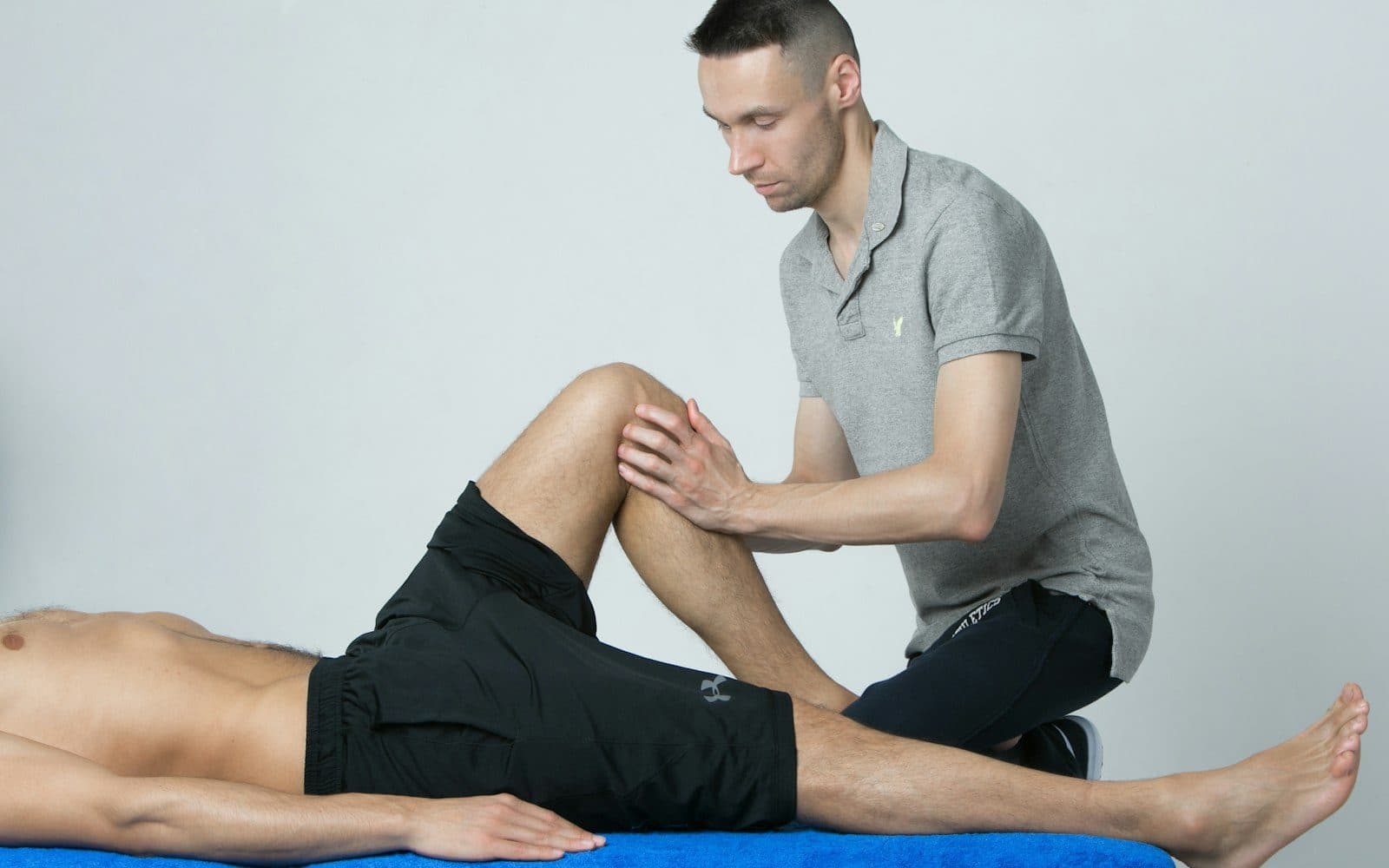
Joint Mobilisation & Manipulation uses gentle hands-on techniques to improve joint range of motion, release tension, and alleviate pain while creating space and reducing impingement.
Soft Tissue Release & Myofascial Techniques addresses tight muscles and fascia, such as the iliotibial band, through myofascial release, trigger point therapy, or dry needling to reduce tension and improve circulation.
Adjunctive Modalities like shockwave therapy, ultrasound, or TENS reduce inflammation and pain when combined with exercise for quicker improvements.
Embracing the Gold Coast Lifestyle with Healthy Hips
Regaining hip function enhances quality of life, enabling comfortable beach walks, cycling, running, golf, and recreational sports. A holistic approach addresses the entire lower limb chain, improving ankle mobility, strengthening knees and ensuring core stability for long-term benefits.
Frequently Asked Questions
How long does it take to see improvements? Many patients notice improvements within weeks of consistent exercise and manual therapy, though complex issues like labral tears may require longer-term management.
Do I need a referral? In most cases, direct physiotherapist booking is possible without referral, though checking private health insurance or GP requirements is advisable.
Can physiotherapy prevent recurrence? Yes, by addressing muscle imbalances, poor posture, and ineffective movement patterns to reduce future issue risk.
Is exercise painful with hip osteoarthritis? Initial discomfort is possible, but properly chosen and monitored exercises alleviate pain over time through low-impact activities and gradual progression.
What if I have multiple hip issues? Comprehensive personalized plans address all contributing factors through manual therapy, targeted strengthening, mobility work, and lifestyle modifications.
Queensland Physio Group offers evidence-based treatments and personalized programmes across five Gold Coast locations. Contact us to start your recovery today.